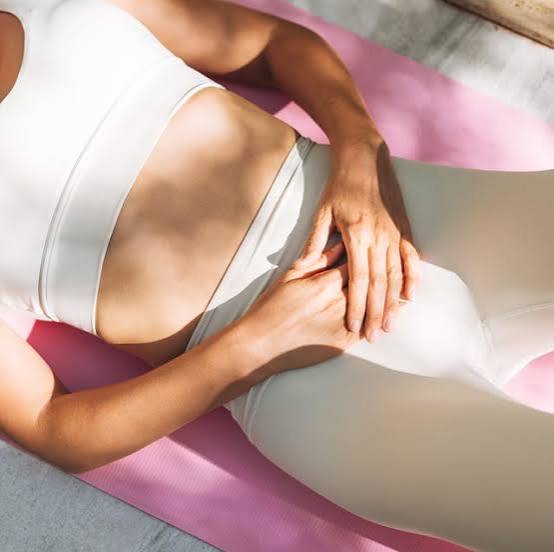
Bladder Pain, Urinary Urgency, and Interstitial Cystitis: How Pelvic Floor Physical Therapy Can Help
Do you have bladder pain? Do you constantly feel like you need to use the bathroom—even when you just went?
Maybe exercise, sexual activity, or your period makes your symptoms worse.
If these symptoms sound familiar, you may be experiencing interstitial cystitis (IC), also known as painful bladder syndrome.
Interstitial cystitis can cause bladder or pelvic pain, urinary urgency, and frequent trips to the bathroom. It can affect both women and men and may have a significant impact on daily activities, exercise, relationships, and overall quality of life.
What Causes Interstitial Cystitis/Painful Bladder?
There isn't one clearly established cause of interstitial cystitis. Researchers believe that multiple factors may contribute to the condition, and symptoms can vary significantly from person to person.
Because there is currently no single cure for IC, treatment often focuses on identifying your individual triggers and finding strategies that help manage your symptoms.
Depending on your situation, these may include changes to your diet, stress management, relaxation techniques, physical activity, medications, and other treatments recommended by your healthcare provider.
Can Pelvic Floor Physical Therapy Help Interstitial Cystitis?
Yes. Pelvic floor physical therapy can be part of a comprehensive approach to managing bladder pain and IC symptoms.
A pelvic health physical therapist can help you understand how your pelvic floor muscles may be contributing to your symptoms.
For some people with bladder pain, the pelvic floor muscles can become overly tense or sensitive. Treatment may focus on helping these muscles relax and improving coordination rather than simply strengthening them.
A physical therapist with specialized training in pelvic health and pain may work with you on:
- Pelvic floor relaxation
- Breathing and nervous-system regulation
- Bladder habits and bladder retraining
- Movement and exercise strategies
- Identifying activities that aggravate or ease symptoms
- Strategies for managing pelvic pain
- Gradually returning to activities you enjoy
The goal isn't simply to spend less time in the bathroom. It's to help you better understand your symptoms and get back to living your life.
You Don't Have to Stop Moving
When bladder or pelvic pain makes exercise uncomfortable, it can be tempting to stop being active altogether.
But movement can be an important part of overall health.
Your physical therapist can help you identify forms of exercise that are appropriate for you and develop a gradual approach to returning to activities that may currently trigger symptoms.
Your treatment should be individualized because what helps one person with IC may not work for another.
When Should You Seek Help?
If you are experiencing persistent bladder pain, urinary urgency, frequent urination, or pelvic pain, talk with your healthcare provider. Other conditions can cause similar symptoms, so getting an appropriate medical evaluation is important.
If interstitial cystitis or bladder pain syndrome is part of your diagnosis, pelvic floor physical therapy may be one tool in your overall treatment plan.
You don't have to simply organize your life around the nearest bathroom.
With the right support and an individualized approach, you can learn strategies to manage your symptoms, move more comfortably, and work toward getting back to the activities and life you enjoy.